Why Floor Marking Standards Matter
Clear floor markings help prevent accidents, improve traffic flow, and support safer workplaces. In warehouses, plants, and distribution centres, floor tape is commonly used to define walkways, equipment zones, storage areas, and keep-clear spaces.
While the goals are the same, the standards that guide floor marking can differ between Canada and the United States. Understanding those differences helps facilities make better decisions when selecting and applying floor marking products.
This article provides a general overview of how floor marking guidance is typically approached in both countries.
Floor Marking in the United States: OSHA and ANSI
In the United States, workplace safety is overseen by OSHA (Occupational Safety and Health Administration).
OSHA regulations often reference ANSI standards, which provide guidance on:
-
Safety colors
-
Marking visibility
-
Identification of hazards and walkways
ANSI standards are widely used across US facilities as a best-practice reference for organizing floor layouts and improving visual safety.
Rather than prescribing exact layouts, these standards focus on:
-
Clear identification of hazards
-
Consistent use of color
-
Visibility and durability of markings
Floor Marking in Canada: CSA and Provincial Requirements
In Canada, workplace safety guidance often comes from CSA standards, along with provincial and territorial regulations.
CSA standards serve a similar purpose to ANSI in the US:
-
Providing guidance on safety colors and markings
-
Supporting consistent visual communication in workplaces
Because Canada’s safety regulations are administered at the provincial level, requirements can vary depending on location and application. For this reason, many Canadian facilities use CSA guidance as a reference point when designing floor marking systems.
Common Floor Marking Applications Across Both Countries
While standards and references may differ, many practical applications are shared across Canada and the US:
-
Walkways and pedestrian lanes
-
Equipment staging areas
-
Keep-clear zones around panels or exits
-
Forklift and vehicle traffic paths
-
Hazard or caution areas
The key focus in both countries is clarity, consistency, and visibility.
Choosing Floor Marking Products That Support Safer Facilities
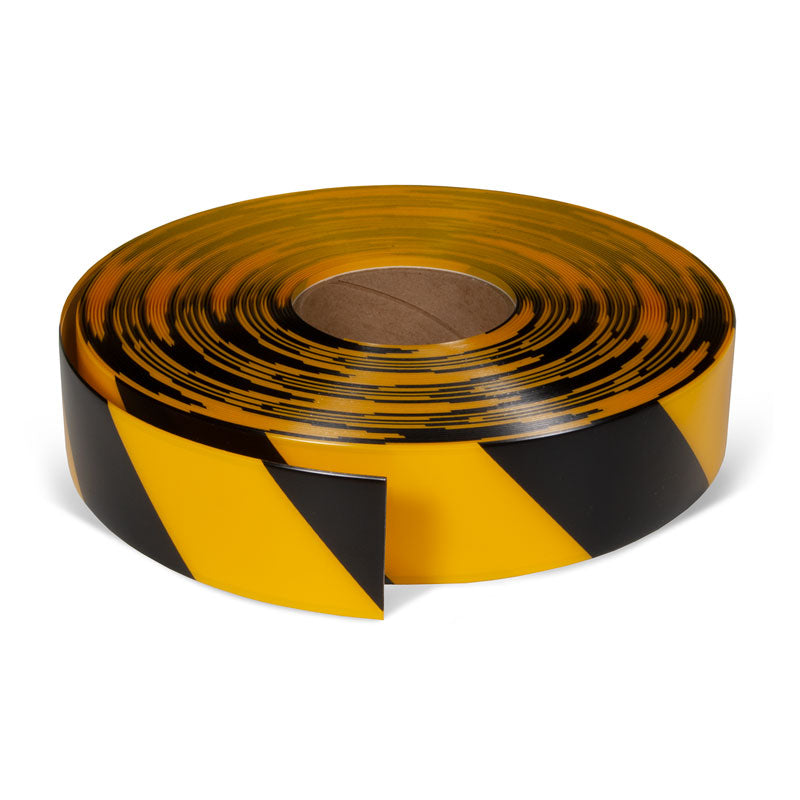
When planning or updating a floor marking layout, many facilities use marking tape as a practical way to create clear aisles, walkways, and designated zones.
When selecting floor marking tape or materials, facilities typically consider:
-
Surface type (concrete, epoxy, sealed floors)
-
Traffic levels (foot traffic vs equipment)
-
Environmental conditions (temperature, moisture, dust)
-
Durability and visibility requirements
Using quality materials and applying them consistently helps support safer operations and makes floor layouts easier to understand for employees and visitors.
A Practical Approach for Multi-Location Facilities
For organizations operating in both Canada and the United States, a common approach is to:
-
Follow recognized standards such as ANSI or CSA as guidance
-
Maintain consistent layouts and color usage across facilities
-
Confirm local requirements where applicable
This approach helps reduce confusion while supporting safety objectives across regions.
Final Note
This article is intended for general information only. Safety requirements can vary by jurisdiction and application, and facilities should confirm which regulations or standards apply to their specific operations.